- Jun 8, 2026
- Parking Structures NYC
Parking structures in New York City face some of the harshest environmental conditions in the country. Constant vehicle traffic, heavy rainfall, snow, road salts, freeze-thaw cycles, and urban pollution can all take a toll on concrete parking garages and parking decks. Over time, these factors can lead to water intrusion, structural deterioration, and costly repairs if left untreated.
Many property owners and facility managers don’t realize there’s a waterproofing problem until visible damage appears. Unfortunately, by that point, water may have already penetrated deep into the concrete, causing corrosion of reinforcing steel and compromising the structure’s integrity.
If you own, manage, or maintain a parking facility, recognizing the early signs of waterproofing failure can help you avoid expensive restoration projects. In this guide, we’ll discuss the seven most common warning signs that indicate your facility may need parking structure waterproofing NYC services and explore the most effective Parking Structure Waterproofing Solutions available today.
Why Parking Structure Waterproofing Matters
A parking structure is much more than a place to park vehicles. It is a critical asset that must safely support thousands of pounds of vehicle loads every day while enduring exposure to moisture and environmental contaminants.
Without proper waterproofing, water can seep through cracks, joints, and porous concrete surfaces. Once moisture reaches the reinforcing steel embedded within the concrete, corrosion begins. As steel rusts, it expands, creating internal pressure that causes cracking, spalling, and concrete failure.
Professional Parking Structure Waterproofing helps:
- Prevent water intrusion
- Protect reinforcing steel from corrosion
- Extend the lifespan of the structure
- Reduce repair and maintenance costs
- Improve safety for users
- Maintain property value
For property owners in NYC, waterproofing is not just preventive maintenance it’s an investment in long-term structural protection.
1. Persistent Water Leaks and Seepage
One of the most obvious indicators that your parking structure requires waterproofing is the presence of ongoing water leaks.
Water may drip from ceilings, run down support columns, or appear as damp patches on concrete surfaces. While occasional moisture after heavy rain may seem normal, persistent leaks are often a sign that the waterproofing system has failed.
Common Signs of Water Intrusion
- Water dripping from ceilings
- Wet spots between parking levels
- Visible water stains
- Damp concrete surfaces
- Leaking expansion joints
When water is allowed to penetrate concrete repeatedly, deterioration accelerates. Addressing leaks early with effective Parking Structure Waterproofing Solutions can prevent extensive structural damage and costly restoration work.
2. Ponding Water on Parking Deck Surfaces
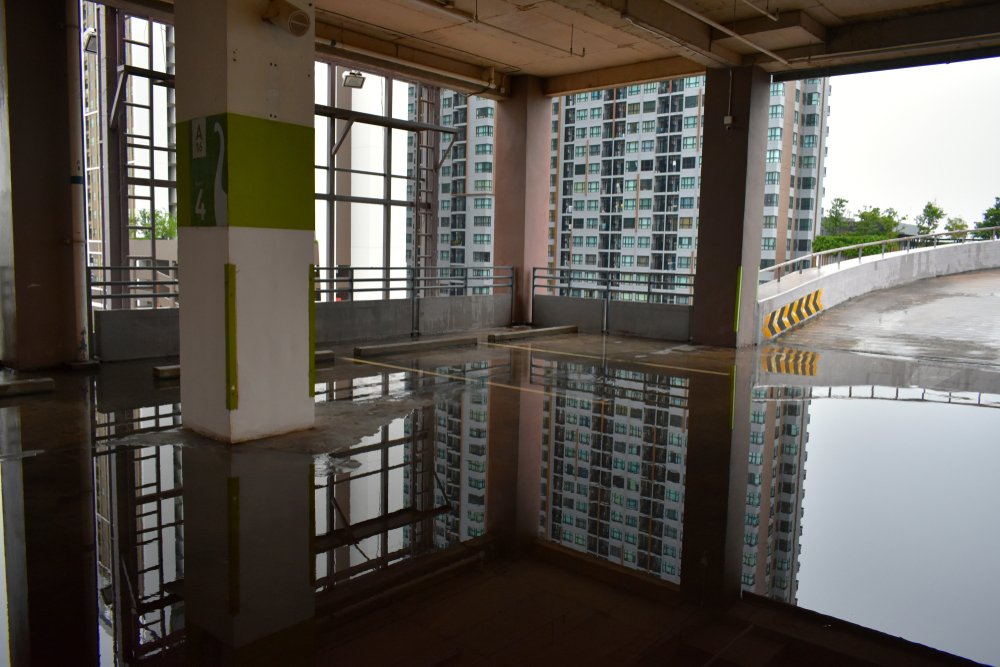
After rainfall, water should drain efficiently from the parking deck. If puddles remain for extended periods, your structure may be experiencing drainage or waterproofing issues.
Standing water creates several problems, including:
- Surface deterioration
- Increased moisture penetration
- Slip hazards
- Freeze-thaw damage during winter
- Accelerated membrane wear
In New York City’s climate, ponding water can be particularly destructive during colder months. When trapped water freezes and expands, it creates pressure within cracks and surface imperfections, causing further damage.
Regular inspections can identify low spots, clogged drains, and waterproofing deficiencies before they become major concerns.
3. Cracks in Concrete Surfaces
Concrete cracks are one of the earliest warning signs that moisture may be entering your parking structure.
Not all cracks indicate structural failure, but they should never be ignored. Even small hairline cracks provide pathways for water to reach the internal components of the structure.
Types of Cracks Commonly Found in Parking Structures
Hairline Cracks
Often caused by shrinkage during concrete curing. While small, they can still allow moisture penetration.
Surface Cracks
Develop due to environmental stress, temperature changes, and traffic loads.
Structural Cracks
Larger cracks may indicate movement or underlying structural issues requiring immediate evaluation.
Experienced Parking Structure Waterproofing NYC specialists frequently identify cracking as one of the first visible signs of membrane deterioration and moisture infiltration.
Proper crack repair combined with waterproofing measures can prevent more serious structural problems in the future.
4. Rust Stains and Reinforcement Corrosion
Rust stains on concrete surfaces should never be ignored. These orange or brown discolorations often indicate corrosion of the reinforcing steel hidden within the structure.
When water and oxygen reach embedded steel reinforcement, rust begins to form. As corrosion progresses, the steel expands and exerts pressure on the surrounding concrete.
Signs of Rebar Corrosion
- Rust-colored streaks
- Exposed steel reinforcement
- Cracking around reinforcement areas
- Concrete displacement
- Surface staining
Corrosion significantly weakens the structural components of a parking garage and can ultimately affect load-bearing capacity.
One of the primary goals of parking structure waterproofing solutions is to stop moisture from reaching reinforcing steel and prevent corrosion from spreading.
5. Spalling, Flaking, or Chipping Concrete
Concrete spalling is one of the most serious indicators of advanced moisture-related deterioration.
Spalling occurs when internal steel corrosion expands and causes the surrounding concrete to crack, separate, and break away.
What Spalling Looks Like
- Peeling concrete surfaces
- Chipped concrete edges
- Surface scaling
- Falling concrete fragments
- Exposed reinforcing steel
Beyond aesthetic concerns, spalling presents a significant safety hazard for both vehicles and pedestrians.
In busy NYC parking facilities, loose concrete can damage vehicles and create liability risks for property owners. Immediate repair and waterproofing intervention are essential to prevent further deterioration.
6. Expansion Joint Failure
Expansion joints are designed to accommodate structural movement caused by temperature fluctuations, traffic loads, and settlement.
These joints also serve as critical waterproofing components. When they fail, water can easily penetrate the structure and reach vulnerable areas.
Signs of Expansion Joint Failure
- Cracked sealants
- Joint separation
- Missing materials
- Water leakage near joints
- Visible deterioration
Expansion joints experience constant movement and wear. Over time, sealants degrade and lose their effectiveness.
Property managers seeking reliable Parking Structure Waterproofing NYC services should ensure expansion joints are inspected regularly and replaced when necessary.
Properly functioning joints help maintain structural flexibility while preventing moisture infiltration.
7. White Mineral Deposits (Efflorescence)
Efflorescence appears as a white, chalky residue on concrete surfaces and is often overlooked as a cosmetic issue.
However, efflorescence is a strong indicator that water is moving through the concrete.
How Efflorescence Forms
As water passes through concrete, it dissolves naturally occurring salts. When the water evaporates at the surface, the salts remain behind as white deposits.
Why Efflorescence Matters
- Indicates active moisture migration
- Signals waterproofing deficiencies
- Suggests hidden water intrusion
- Can precede more severe deterioration
While efflorescence itself does not damage concrete, it serves as an important warning sign that further investigation is needed.
Professional waterproofing assessments can identify the source of moisture and recommend corrective solutions.
What Happens If You Ignore These Warning Signs?
Ignoring waterproofing problems rarely saves money. In fact, delayed action often results in significantly higher repair costs.
Potential Consequences Include:
- Extensive concrete deterioration
- Reinforcement corrosion
- Structural instability
- Increased maintenance expenses
- Vehicle and pedestrian safety hazards
- Premature replacement of structural components
- Regulatory compliance issues
The longer moisture intrusion continues, the more extensive and expensive repairs become.
Proactive waterproofing measures can dramatically reduce lifecycle costs while extending the service life of your parking structure.
Effective Parking Structure Waterproofing Solutions
Modern waterproofing technologies offer several effective methods for protecting parking garages and parking decks.
Waterproof Traffic Coatings
Traffic-bearing coatings create a seamless waterproof barrier while resisting vehicle wear and abrasion.
Benefits include:
- • Water resistance
- • Slip resistance
- • Enhanced durability
- • Reduced maintenance requirements
Waterproof Membrane Systems
Membranes are designed to prevent moisture penetration while accommodating structural movement.
These systems provide long-term protection against water intrusion and environmental exposure.
Crack Injection Repair
Specialized injection materials seal active cracks and prevent further water penetration.
This solution is particularly effective for addressing localized leakage issues.
Expansion Joint Replacement
Replacing damaged joints restores waterproofing performance and prevents water infiltration at critical movement points.
Drainage Improvements
Proper drainage design helps eliminate standing water and reduces stress on waterproofing systems.
Drainage enhancements may include:
- Drain cleaning
- Slope corrections
- Additional drainage channels
- Surface grading improvements
When Should NYC Property Owners Schedule a Waterproofing Inspection?
Routine inspections are essential for maintaining parking structures in NYC.
You should schedule a professional assessment if:
- Your structure is more than 10 years old
- You notice any warning signs discussed above
- Significant storms have recently occurred
- Winter freeze-thaw cycles have been severe
- Waterproofing systems have not been inspected in several years
Annual inspections allow facility managers to identify small problems before they become major structural concerns.
Final Thoughts
Water is one of the most destructive forces affecting parking garages and parking decks. What begins as a minor leak or small crack can quickly evolve into corrosion, spalling, and costly structural repairs.
By recognizing the warning signs early including leaks, ponding water, cracking, rust stains, spalling, joint failure, and efflorescence property owners can take proactive steps to protect their investment.
Professional Parking Structure Waterproofing NYC services help preserve structural integrity, improve safety, and extend the lifespan of parking facilities. Whether you’re dealing with active water intrusion or simply want to prevent future deterioration, implementing the right Parking Structure Waterproofing Solutions today can save substantial repair costs tomorrow.
If your parking structure is showing any of these warning signs, now is the time to schedule a professional inspection and develop a comprehensive waterproofing strategy before minor issues become major structural problems.
-
Infratech

-
Resilient
-
Build
-
Future
-
Sustain
-
Progress
-
Infratech
-
Resilient
-
Build
-
Future
-
Sustain
-
Progress

Our Services Areas