- Jun 8, 2026
- Parking Structures NYC
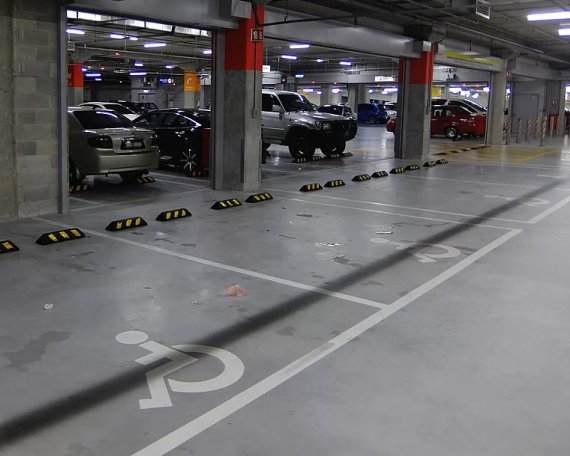
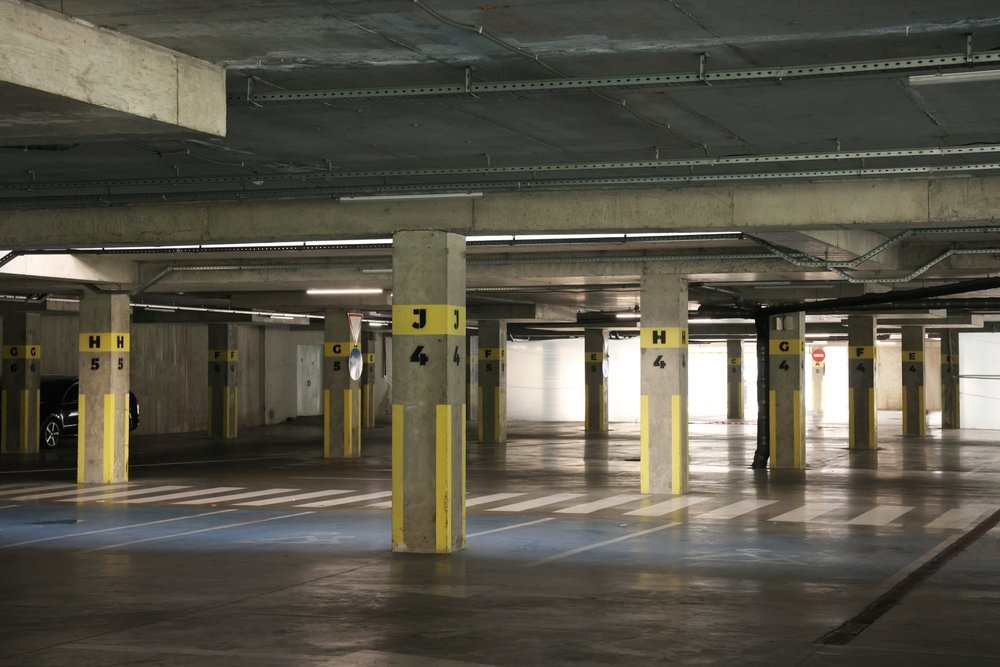
Parking garages are among the most heavily used structures in New York City. Every day, thousands of vehicles enter and exit commercial parking facilities, residential garages, mixed-use developments, office buildings, and retail centers. Over time, constant vehicle traffic, harsh weather conditions, water infiltration, de-icing salts, and natural aging can cause significant damage to concrete parking structures.
For property owners and facility managers, investing in parking garage repair in NYC is essential to maintaining safety, preserving structural integrity, ensuring regulatory compliance, and protecting long-term property value. Ignoring signs of deterioration can lead to costly repairs, operational disruptions, and even safety hazards.
This Complete Guide to Parking Structure Repair explains the causes of parking garage deterioration, the repair process, expected timelines, and the key benefits of restoring your parking structure before problems become severe.
Why Parking Garage Concrete Repair Is Important in NYC
New York City’s climate creates unique challenges for parking structures. Concrete is constantly exposed to rain, snow, freeze-thaw cycles, vehicle fluids, and road salts carried in by vehicles. These factors gradually weaken concrete surfaces and structural components.
Many parking garages in NYC were built decades ago and are now experiencing age-related deterioration. Without routine inspections and timely repairs, small issues such as cracks and water leaks can develop into major structural concerns.
Professional Parking Garage Repair Services NYC help property owners address problems early, reduce future repair costs, and extend the lifespan of their parking facilities.
Common Causes of Parking Garage Deterioration
Water Infiltration
Water is one of the most damaging elements affecting parking structures. When moisture penetrates concrete surfaces, it can reach embedded reinforcing steel, leading to corrosion and expansion.
Common sources of water intrusion include:
- Damaged waterproofing systems
- Cracked concrete surfaces
- Failed expansion joints
- Poor drainage systems
- Ponding water
Over time, water infiltration can significantly weaken structural components and accelerate concrete deterioration.
De-Icing Salt Damage
Vehicles entering parking garages during winter months often bring road salts into the facility. Chlorides from de-icing salts penetrate concrete and attack reinforcing steel.
As steel reinforcement corrodes, it expands, causing:
- Concrete cracking
- Delamination
- Surface spalling
- Structural weakening
Salt-related damage is one of the most common reasons property owners seek Parking Garage Repair in NYC.
Heavy Traffic Loads
Many high-traffic parking garages experience constant vehicle movement throughout the day. Repeated loading and unloading place stress on slabs, beams, ramps, and columns.
Over time, this can contribute to:
- Surface wear
- Structural fatigue
- Joint deterioration
- Concrete cracking
Facilities that serve commercial buildings, shopping centers, hospitals, and transportation hubs are particularly vulnerable.
Freeze-Thaw Cycles
NYC experiences frequent temperature fluctuations during winter. Water trapped within concrete expands when frozen and contracts when thawed.
This cycle causes:
- Surface scaling
- Concrete cracking
- Joint damage
- Accelerated deterioration
Without proper maintenance, freeze-thaw damage can spread quickly throughout a parking structure.
Signs Your Parking Garage Needs Repair
Recognizing early warning signs can help prevent costly structural repairs.
Concrete Cracks
Cracks are often the first visible indication of deterioration. While small cracks may appear harmless, they allow water and contaminants to penetrate deeper into the structure.
Concrete Spalling
Spalling occurs when pieces of concrete break away from the surface. It is typically caused by corrosion of reinforcing steel beneath the concrete.
Spalling can create safety hazards for both vehicles and pedestrians.
Exposed Reinforcement
Visible reinforcing steel indicates advanced deterioration. Once steel is exposed, corrosion accelerates rapidly and requires immediate attention.
Rust Stains
Rust-colored streaks on concrete surfaces often indicate corrosion occurring below the surface.
Water Leaks
Persistent leaks suggest waterproofing failure or drainage issues that should be addressed before additional damage occurs.
Uneven Driving Surfaces
Settlement, structural movement, and concrete deterioration can create uneven surfaces that affect vehicle safety and user experience.
The Complete Parking Garage Repair Process
A successful repair project involves more than simply patching damaged concrete. Professional Parking Garage Repair Services NYC follow a systematic restoration process designed to address both visible and hidden deterioration.
Step 1: Structural Inspection and Assessment
Every repair project begins with a comprehensive inspection.
Engineers evaluate:
- Concrete condition
- Structural components
- Drainage systems
- Expansion joints
- Waterproofing systems
- Corrosion levels
The goal is to identify existing damage and determine the underlying causes.
Step 2: Damage Mapping and Repair Planning
After inspection, specialists create a detailed repair plan outlining:
- Areas requiring restoration
- Structural concerns
- Material requirements
- Project phases
- Budget considerations
A well-developed repair strategy helps minimize disruptions and ensures long-term performance.
Step 3: Removal of Damaged Concrete
Unsound concrete must be removed before repairs begin.
Methods may include:
- Mechanical chipping
- Hydro-demolition
- Saw cutting
- Surface preparation techniques
Removing deteriorated concrete ensures new repair materials properly bond with the existing structure.
Step 4: Reinforcing Steel Restoration
Corroded reinforcement is cleaned, repaired, or replaced as necessary.
This phase may include:
- Rust removal
- Rebar replacement
- Protective coatings
- Corrosion mitigation systems
Addressing reinforcement issues is critical to restoring structural strength.
Step 5: Structural Concrete Repair
Once reinforcement is repaired, damaged concrete sections are rebuilt using specialized restoration materials.
Common repairs include:
- Slab restoration
- Beam repairs
- Column repairs
- Ramp repairs
- Wall repairs
Modern repair materials are designed to provide long-lasting durability in demanding parking garage environments.
Step 6: Waterproofing and Protective Systems
Waterproofing is one of the most important aspects of Parking Structure Repair NYC.
Protective systems may include:
- Traffic-bearing coatings
- Waterproof membranes
- Sealants
- Expansion joint replacement
- Drainage improvements
These systems help prevent future water infiltration and extend service life.
Step 7: Final Inspection and Quality Control
Before project completion, contractors perform final inspections to verify:
- Structural integrity
- Repair quality
- Waterproofing performance
- Compliance requirements
This final review ensures the garage is safe and ready for continued operation.
Typical Parking Garage Repair Timeline
One of the most common questions property owners ask is how long repairs will take.
The answer depends on the size and condition of the structure.
Minor Repairs
Typical duration: 1–2 weeks
Examples include:
- Crack sealing
- Joint repairs
- Small concrete patches
Moderate Repairs
Typical duration: 3–8 weeks
Examples include:
- Spall repairs
- Waterproofing replacement
- Drainage improvements
Major Structural Repairs
Typical duration: 2–6 months
Examples include:
- Extensive slab restoration
- Beam replacement
- Column rehabilitation
- Multi-level garage restoration
Full Garage Rehabilitation
Typical duration: 6–12 months
Large-scale restoration projects often require phased construction to maintain facility operations.
Challenges of Repairing High-Traffic Parking Garages
Repairing High-Traffic Parking Garages requires careful planning to minimize disruptions.
Maintaining Operations
Many garages must remain partially operational during construction.
Contractors often divide projects into phases to maintain parking availability.
Traffic Management
Clear signage, temporary barriers, and designated routes help ensure safe vehicle movement during repairs.
Revenue Protection
For commercial facilities, prolonged closures can result in significant revenue loss. Strategic scheduling helps reduce operational impacts.
Safety Considerations
Protecting drivers, pedestrians, and workers is a top priority throughout the repair process.
NYC Parking Garage Inspection Requirements
Property owners in New York City must comply with parking structure inspection requirements.
Routine inspections help identify structural concerns before they become major safety risks.
Professional inspections evaluate:
- Concrete condition
- Structural stability
- Waterproofing performance
- Drainage systems
- Safety hazards
Compliance with inspection requirements helps property owners avoid violations and maintain safe facilities.
Benefits of Parking Garage Concrete Repair
Improved Safety
Repairing deteriorated concrete reduces the risk of falling debris, structural failures, and accidents.
Safer facilities protect both users and property owners.
Extended Service Life
Timely repairs can add decades to the lifespan of a parking structure.
Preventive maintenance is significantly more cost-effective than complete replacement.
Reduced Long-Term Costs
Addressing minor issues early prevents larger and more expensive repairs in the future.
Property owners who invest in proactive maintenance often experience lower lifecycle costs.
Enhanced Appearance
A well-maintained parking garage creates a positive impression on customers, tenants, and visitors.
Fresh concrete surfaces, clean coatings, and improved lighting contribute to a better user experience.
Increased Property Value
Well-maintained parking facilities support overall property value and marketability.
Potential buyers and investors view properly maintained structures as lower-risk assets.
Better Regulatory Compliance
Professional repairs help ensure compliance with local safety requirements and inspection standards.
Improved Structural Performance
Restoration projects strengthen critical structural components and improve overall building performance.
Repair vs. Replacement: Which Is Better?
Property owners often wonder whether repair or complete replacement is the best option.
In many cases, restoration provides substantial advantages.
Benefits of Repair
- Lower initial cost
- Faster completion
- Less disruption
- Improved sustainability
- Extended service life
When Replacement May Be Necessary
Replacement may be recommended when:
- Structural deterioration is extensive
- Repair costs approach replacement costs
- Design deficiencies exist
- Major structural failures are present
A professional structural assessment can determine the most cost-effective solution.
How to Choose the Right Parking Garage Repair Contractor in NYC
Selecting an experienced contractor is critical to project success.
Look for companies with:
- Extensive parking structure experience
- Qualified engineering support
- Concrete restoration expertise
- Waterproofing knowledge
- Strong safety programs
- Proven project references
- Experience working in occupied facilities
A knowledgeable contractor can help reduce project risks and maximize long-term performance.
Preventive Maintenance Tips for Parking Structures
The best way to reduce repair costs is through ongoing maintenance.
Recommended practices include:
- Annual inspections
- Prompt crack repairs
- Joint maintenance
- Drain cleaning
- Waterproofing evaluations
- Corrosion monitoring
- Surface cleaning
Regular maintenance helps property owners identify issues before they become major problems.
Conclusion
Parking structures play a vital role in supporting commercial, residential, and mixed-use properties throughout New York City. However, years of exposure to moisture, de-icing salts, heavy traffic, and harsh weather can gradually compromise their condition.
Investing in professional Parking Garage Repair in NYC helps property owners maintain safety, protect property value, comply with inspection requirements, and avoid costly future repairs. From structural concrete restoration and waterproofing to preventive maintenance and rehabilitation, timely repairs can significantly extend the lifespan of your facility.
Whether you manage a residential garage, commercial facility, or large municipal parking structure, partnering with experienced Parking Garage Repair Services NYC professionals ensures your investment remains safe, functional, and reliable for years to come. By following this complete guide to parking structure repair, property owners can make informed decisions that preserve both structural integrity and long-term financial value.
-
Infratech

-
Resilient
-
Build
-
Future
-
Sustain
-
Progress
-
Infratech
-
Resilient
-
Build
-
Future
-
Sustain
-
Progress

Our Services Areas