- Jul 3, 2026
- Parking Structures NYC
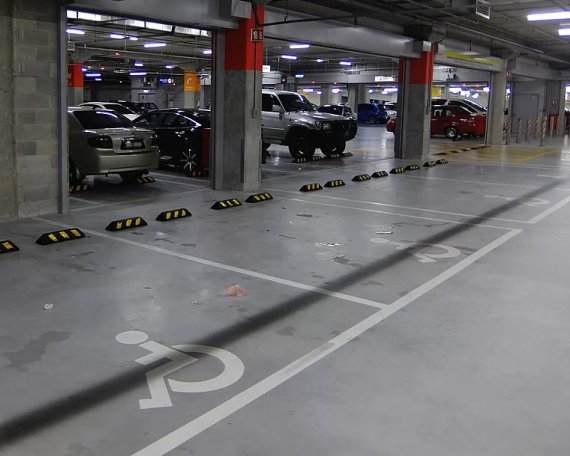
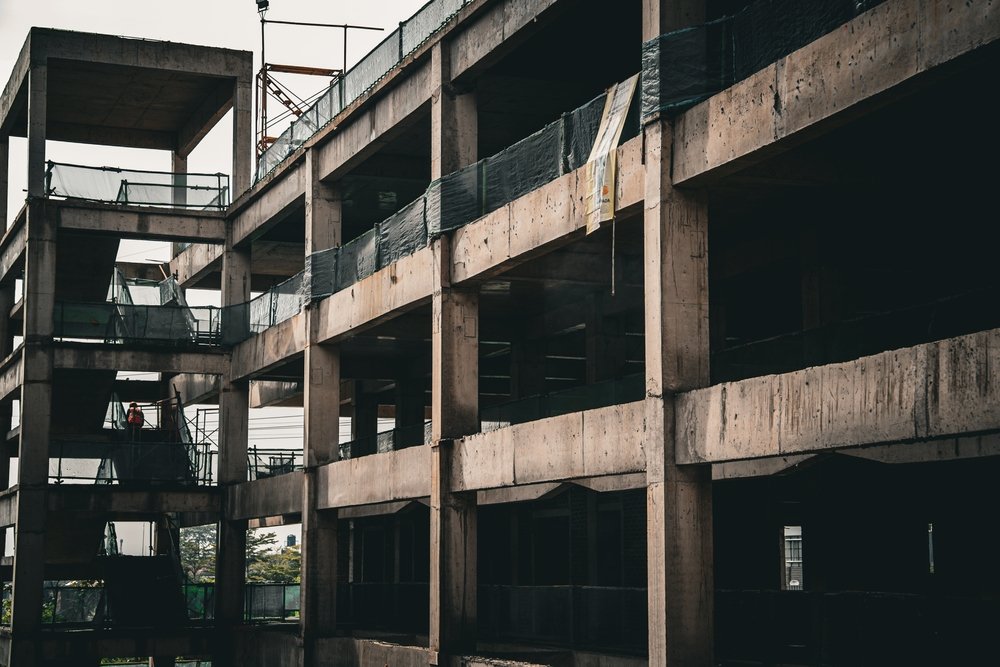
Parking structures see constant vehicle traffic, significant loads, moisture, de-icing salts, temperature swings, and environmental contaminants. Over time, those factors can trigger noticeable concrete decline, putting the facility’s structural reliability and public safety at risk. For landlords and investors, recognizing early warning cues of deterioration matters, so you can prevent expensive maintenance, and also limit liability worries.
Whether you manage a commercial parking facility, residential garage, mixed use property, or a municipal structure, investing in parking structure repair NYC services at the right time can extend the life span of your asset. It can also reduce those long-term maintenance costs that seem to show up, anyway. This guide to parking structure repair lays out the most common signs of concrete deterioration, and it explains why timely fixes really matter. You will also see how professional Parking Garage Concrete Repair solutions support safe, durable, and high performing parking structures, even when the wear feels steady.
Why Concrete Deterioration Happens in Parking Garages
Parking structures take a beating compared to a lot of other concrete buildings. Every day vehicle traffic, plus the environment, slowly
wears down both the concrete skin and the supporting pieces, in a way that can feel almost quiet at first, then suddenly noticeable.
Common Reasons for Parking Garage Concrete Damage
Water Infiltration
Water is one of the main causes of concrete deterioration. Moisture seeps into cracks and joints, then makes its way to the reinforcing steel that sits within the concrete.
De-Icing Salts and Chlorides
In NYC and other cold-weather areas, cars bring road salts into the parking garage. Chlorides speed up corrosion of reinforcing steel, and that corrosion leads to swelling, plus concrete cracking.
Freeze-Thaw Cycles
Water that got trapped inside concrete expands once it freezes. When freezing and thawing repeat again and again, internal pressure builds up and weakens the concrete matrix.
Heavy Traffic Loads
Parking garages deal with steady vehicle movement and concentrated wheel loads. Over time this can speed up material wear, and also add structural stress that is harder to ignore.
Poor Drainage Systems
Standing water on parking decks boosts moisture exposure, and it also makes deterioration happen faster.
Aging infrastructure
Many parking structures in New York City were built decades ago, they now need proactive maintenance so everything stays safe and functional.
Why Early Detection Matters
Ignoring small signs of deterioration can lead to major structural trouble. What starts as a hairline crack can grow into extensive concrete spalling, steel corrosion, and problems with load bearing function, pretty fast.
Timely Parking Garage Concrete Repair brings multiple benefits:
- Helps prevent structural damage
- Extends the service life
- Improves safety
- Reduces liability exposure
- Keeps repair costs lower
- Supports property value
- Helps ensure code compliance
- Avoids expensive emergency fixes
So, having proactive maintenance is Essential for High-Traffic Parking Garages where vehicle loads and day to day use accelerate wear and tear.
Warning Sign #1: Visible Concrete Cracks
Cracks usually show up first, like the very first sign that a parking structure might need a professional look over.
Types of Cracks Property Owners Should keep an eye on
Hairline Cracks
Thin, surface level cracks may seem harmless, but they can quietly let water get inside.
Structural Cracks
Wider cracks can point to movement, settlement, or too much loading happening over time.
Map Cracking
When you see a web of connected cracks, it can suggest shrinkage concerns, or surface deterioration that is already underway.
Expansion Joint Cracking
If the joints are cracked or busted, moisture can work its way into key structural parts.
Why These Cracks Can Be a Problem
Cracks can act like direct routes for:
- Water infiltration
- Chloride penetration
- Reinforcement corrosion
- Faster concrete breakdown
A qualified inspection can clarify whether the cracks are mainly cosmetic, or if they are actually structural in nature.
Warning Sign #2: Concrete Spalling
Concrete spalling happens when parts of concrete break, chip, or flake away from the face of the structure, sometimes in a way that looks a bit sudden.
What causes this spalling?
Usually it comes from several things, like:
- Rebar corrosion
- Freeze-thaw cycles
- Moisture getting in
- Weak or poor concrete installation
- Heavy traffic wear
Signs you might be dealing with spalling
Try to spot:
- Chipped concrete
- Surface delamination
- Loose concrete fragments dropping off
- Rough, uneven areas
- Exposed aggregate
Spalling not only causes safety hazards, it also leaves reinforcing steel more exposed, and then that can lead to even more corrosion.
Warning Sign #3: Rust Stains on Concrete Surfaces
Rust colored marks are often a clear hint that corrosion is going on under the surface, even if no one noticed yet.
Why It Happens
Steel rebar swells as it corrodes, and that expansion builds pressure inside the concrete. Over time this pressure causes breaks, and also spalls can show up, sometimes sooner than people expect.
Where It Shows Up Most Often
- Parking decks
- Support beams
- Columns
- Ramps
- Expansion joints
Once the rust staining appears, it is best to investigate right away.
Warning Sign #4: Exposed Reinforcing Steel
Rebar exposure counts as a serious sign of structural deterioration, and it really should not be ignored.
Risks tied to exposed reinforcement
When the steel reinforcing bars start showing, meaning they are visible on the surface:
- corrosion speeds up
- structural carrying capacity goes down
- concrete degradation spreads further
- repair expenses rise fast
A professional structural evaluation becomes necessary to understand how much damage has happened, and what should be done next.
Warning Sign #5: Water Leaks and Moisture Problems
Persistent leaks are honestly among the most damaging issues for parking structures and there’s a lot going on around them.
Common leak areas tend to show up here, repeatedly:
- Ceiling slabs
- Deck surfaces
- Expansion joints
- Drainage zones
- Column connections
What water intrusion can cause is usually not good:
- Corrosion of the reinforcement
- Mold formation
- Surface breakdown
- Shortened service life of the structure
- Higher maintenance expenses
That’s why waterproofing systems are critical for long-term protection of parking structures.
Warning Sign #6: Surface Scaling and Delamination
Scaling shows up when the top layer of concrete begins to get worn, and then it flakes off, peeling away like it has had enough.
What can cause scaling?
- Freeze thaw cycles
- Salt exposure
- Weak or rushed finishing practices
- Low quality concrete mixtures
Delamination, warning signs you might spot
Property owners may notice:
- Hollow sounds when someone taps it during inspection
- Concrete layers that feel loose
- Separation right at the surface
- Uneven deck conditions
Delamination frequently comes before the more serious spalling events happen.
Warning Sign #7: Damaged Expansion Joints
Expansion joints are made to handle movement from temperature swings as well as structural loads, yes.
Why Joint Failure is Serious
When the joint is damaged, water and debris can slip in, right into the structure.
That situation may cause, among other issues:
- Concrete cracking
- Corrosion
- Structural movement
- Faster deterioration
So routine joint inspections are an essential part of preventive maintenance.
Warning Sign #8: Uneven Floors and Settlement
Uneven deck surfaces can hint at deeper structural issues, like something under it is not quite steady, and this can get messy over time.
Some possible reasons, that come up often are
- Foundation settlement, where the base sinks a bit
- Soil movement, caused by ground changes
- Structural loading issues, meaning the weight pattern was not handled well
- Long term deterioration, wear that builds up slowly
Property owners should look into, or at least check
- Sloping surfaces
- Ponding water, where water stays in low spots
- Uneven driving areas, especially where vehicles usually pass
- Misaligned structural components, parts that no longer line up
Parking Garage Concrete Repair Solutions
Modern repair methods can bring back the structural strength and also keep parking areas useful for longer, yes.
Concrete Crack Repair
Sometimes called hairline damage restoration. The approaches usually include
- Epoxy injection
- Polyurethane injection
- Routing and sealing
- Structural crack stabilization
Concrete Spall Repair
This is when concrete pieces break away. Repair is typically done by going through:
- Removing damaged concrete
- Cleaning corroded reinforcement
- Applying corrosion protection
- Installing repair mortar
- Restoring the surface finish
Structural Concrete Restoration
Used when the wear affects load carrying pieces such as
- Columns
- Beams
- Deck slabs
- Structural walls
Waterproofing Systems
Often required to prevent moisture from getting in. Common waterproofing solutions are
- Traffic coatings
- Membrane systems
- Sealers
- Joint sealants
Corrosion Mitigation
Especially important when chloride exposure is present. Advanced corrosion protection technologies include
- Cathodic protection systems
- Corrosion inhibitors
- Protective coatings
- Galvanic anodes
Essential Maintenance Practices for High-Traffic Parking Garages
Because repair costs rise dramatically when deterioration is ignored, preventive maintenance is critical. If you let issues linger then they turn into bigger, more expensive problems later, and that is the whole point of doing things early.
Recommended maintenance checklist
- Annual structural inspections
- Crack monitoring
- Waterproofing assessments
- Drain cleaning
- Joint maintenance
- Corrosion evaluations
- Surface repairs
- Safety audits
These practices are essential for high-traffic parking garages where constant vehicle movement accelerates wear, and yes it happens faster than people expect.
Parking Structure Repair NYC: Local Challenges
There are specific environmental stressors that are linked to the state of New York City’s parking’s or parking spaces.
Issues Unique to NYC
- Dense congestion
- Harsh deicing salts in increased use during winter months.
- Presence of sea air which is increasing day by day
- Texture climatic condition
- Old constructed parking lots
- We are also exposed to city pollution
This requires the property owners of New York City to be even more vigilant and take care of their parking structures by carrying out regular checks and repairs where necessary.
Parking Garage Repair Costs: What Property Owners Should Expect
The extent of the damage and the nature of the work, i.e. the depth of work or task and the labor scope most commonly affect repair costs. But what factors might inflate the said costs in the first place?
- High or low level of deterioration
- The size quantitative position of the structure
- Ease of approach
- Effective area
- Configuration and no less significant appearance
- Resistance to moisture ingress
- Wage rates
Typical Repair Categories
| Repair Type | Relative Cost |
|---|---|
| Crack Sealing | Low |
| Joint Repair | Low to Moderate |
| Spall Repair | Moderate |
| Waterproofing Installation | Moderate to High |
| Structural Restoration | High |
| Full Rehabilitation | Very High |
Early intervention almost always reduces total lifecycle costs.
Common Mistakes Property Owners Make
Please take note of these warnings, so as not to incur unnecessary expenses.
Provision of Relief Services
As a person ignores a simple issue in construction, it grows to become a significant issue in the structure.
Ignoring Water Leaks
The presence of water in structures quickens the processes of degradation associated with all concrete mix designs.
Failure to Conduct Regular Checks
Carrying out scheduled checks enables a person in charge to address issues that are likely to become very costly if left unaddressed.
Avoiding Permanent Solutions
Repairing cracks casually without determining their cause at the outset may lead to the need for further repairs in future.
Hiring Unqualified Contractors
Restoration and improvement of parking decks require very specific restoration techniques, due to the hurried and adorning nature of the architecture.
How to Choose a Parking Structure Repair Contractor
When selecting a repair company, look for like, the following maybe:
- Structural restoration experience
- Parking garage specialization
- Licensed professionals
- Engineering support
- Waterproofing expertise
- Proven project portfolio
- Safety compliance knowledge
- Local NYC experience
Experienced contractors can identify root causes and then recommend cost effective repair strategies.
Conclusion
Concrete deterioration in parking garages is a serious issue that can undermine safety, lower property value, and bring about expensive structural fixes if it gets ignored. Spotting warning clues like cracking, spalling, rust staining, water entry, exposed reinforcement, and joint failure helps property owners act sooner, before these things escalate too far, and they start costing more.
For facilities in New York City, proactive maintenance and timely Parking Structure Repair NYC services are critical due to harsh weather conditions, heavy traffic loads, and aging infrastructure. People tend to overlook it but the concrete and steel take a real beating, so partnering with experienced professionals for Parking Garage Concrete Repair matters, it helps preserve structural integrity and lengthen the service life too, also protect your investment.
If your parking facility is starting to show deterioration, reach out to Parking Structures NYC today for a professional assessment, and a customized repair plan that’s made to keep your structure safe, durable and up and running for years to come.
-
Infratech

-
Resilient
-
Build
-
Future
-
Sustain
-
Progress
-
Infratech
-
Resilient
-
Build
-
Future
-
Sustain
-
Progress

Our Services Areas